


- Amoxil
- Doxycycline
- Zithromax
- Flagyl
- Cipro
- Bactrim
- Augmentin
- Cenmox
- Erythromycin
- Ampicillin
- Keflex
- Trimox
- Macrobid
- Sumycin
- Suprax
- Tinidazole
- Cleocin
- Cephalexin
- Floxin
- Biaxin
- Noroxin
- Lamisil
- Zyvox
- Duricef
- Ceftin
- Minocin
- Minomycin
- Ilosone
- Keftab
- Omnicef
- Chloromycetin
- Vantin
- Myambutol
- Trecator-SC
- Amoxicillin
- Metronidazole
- Azithromycin
- Ciprofloxacin
- Cefadroxil
- Advent DT
- Cefuroxime
- Ciloxan
- Ciprodex
- Ciprofloxacin + Dexamethasone
- Norfloxacin
- Ocuflox
- Principen
- Rifampin
- Terbinafine
- Tobramycin And Dexamethasone
- Trimethoprim
- Zithromax Dispersible
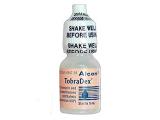
Generic Tobramycin And Dexamethasone

Common use
Tobramycin and dexamethasone is a combination ophthalmic medication used to treat eye infections with associated inflammation. Tobramycin is an antibiotic that kills susceptible bacteria, while dexamethasone is a corticosteroid that reduces swelling, redness, and irritation. This dual-action formula is commonly prescribed for:
- Bacterial conjunctivitis
- Keratitis
- Post-operative eye care
It helps control infection while minimizing inflammation and discomfort.
Dosage and direction
Typically, 1 to 2 drops are applied into the affected eye(s) every 4 to 6 hours, depending on the severity of the condition. Follow these guidelines:
- In severe cases, dosing may start higher and gradually reduce.
- Shake the bottle well before use if it's a suspension.
- Do not stop treatment early even if symptoms improve.
Always follow your doctor's instructions.
Precautions
Before using this medication, inform your doctor if you have:
- Glaucoma
- Herpes simplex eye infections
- History of cataract surgery
Additional precautions:
- Prolonged use may increase risks of high eye pressure, infections, or delayed healing.
- Avoid contact lenses during treatment unless approved.
- Use with caution in steroid-responsive conditions.
Contraindications
Do not use this medication in the following cases:
- Viral or fungal eye infections
- Allergy to tobramycin, dexamethasone, or any ingredient in the formulation
- Ocular tuberculosis or untreated purulent infections
- Epithelial herpes simplex keratitis
Use in children under 2 years is not recommended without medical supervision.
Possible side effects
Common side effects:
- Temporary eye burning, stinging, or itching
- Blurred vision after application
Long-term risks include:
- Increased eye pressure or glaucoma
- Cataracts
- Secondary infections
Seek medical help for:
- Severe eye pain
- Vision changes
- Allergic reactions
Drug interactions
Potential interactions and guidelines:
- Risk of systemic interaction is low due to topical application.
- Avoid other eye medications without medical advice.
- Space out eye drops by 5-10 minutes if using multiple.
- Avoid combining with ocular NSAIDs unless prescribed.
Missed dose
If you miss a dose:
- Apply as soon as you remember.
- If close to the next dose, skip the missed one (do not double).
Overdose
Overdose symptoms and actions:
- Excessive eye irritation or tearing
- Ingestion is dangerous, especially for children, seek emergency help.
- Rinse eyes with water if too much is applied.
Storage
Storage instructions:
- Keep at room temperature (15°C to 25°C / 59°F to 77°F).
- Protect from light and moisture.
- Do not freeze or contaminate the dropper tip.
- Discard after expiration.
Disclaimer
This information provides general guidelines on medication use and does not cover all precautions or interactions. Always consult your healthcare provider for personalized advice. Never self-diagnose or self-treat based on this content. The reliability of this information is not guaranteed, and we are not liable for any misuse or consequences of self-treatment.


| Shipping method | Delivery time | Price | |
 Airmail service Delivery Airmail service Delivery |
14-21 days | 10$ | Tracking# available in 4 days |
 Trackable service Delivery Trackable service Delivery |
9-14 days | 30$ | Tracking# available in 2 days |
- Shipping worldwide
- Confidentiality and anonymity guarantee
- Safe and secure
- Discrete looking packages
- Dispatch orders within 24 hours
- 100% success delivery